Best Chimney Liner Materials For Wood Stoves
Best chimney liner materials for wood stoves
Last updated: November 14, 2026
Key Takeaways
- In many wood-stove installs, 316L stainless is a strong default when heat and creosote are the main concerns.
- Insulation matters most in cold, exterior, oversized, or draft-prone chimneys.
- Match the stove, chimney, and creosote risk before you choose a liner.
- Price or metal name alone is a risky way to choose a liner.
A wood stove chimney liner has one job: survive high heat and thick creosote without failing early. For many homes, that makes the liner choice mostly a question of stove manual, chimney temperature, and corrosion risk. 316L stainless steel is often the safest all-around choice for many wood stoves, but the right answer still depends on the full venting path. The table and steps below sort out when 304 stainless or an insulated liner makes more sense. For background on lining and venting requirements, see NFPA 211 and EPA Burn Wise guidance.
> **Our Top 3 Picks at a Glance**
>
> 1. **#1 Best Overall: 316L stainless steel liner**
> 2. **#2 Best Budget Pick: 304 stainless steel liner**
> 3. **#3 Best Heavy-Duty / Upgrade Pick: insulated stainless steel liner**
| Product / Option | Best For | Core Spec | Standout Feature | Action |
|---|---|---|---|---|
| 316L stainless steel liner | Most wood stoves, especially if the chimney sees regular hot burns and creosote | Stainless steel built for corrosive flue gas | Best balance of corrosion resistance and heat tolerance | Choose this first if you want a strong default |
| 304 stainless steel liner | Cleaner-burning stoves and shorter vent runs where corrosion risk is lower | Stainless steel with less corrosion resistance than 316L | Usually easier on the budget than premium grades | Pick only if the stove and chimney conditions are mild |
| Insulated stainless steel liner | Cold chimneys, exterior masonry chimneys, and installs that need hotter flue temps | Stainless steel liner with insulation around it | Helps keep smoke hotter and reduces creosote buildup | Choose this when draft and condensation are the real problem |
What is the best chimney liner material for a wood stove?
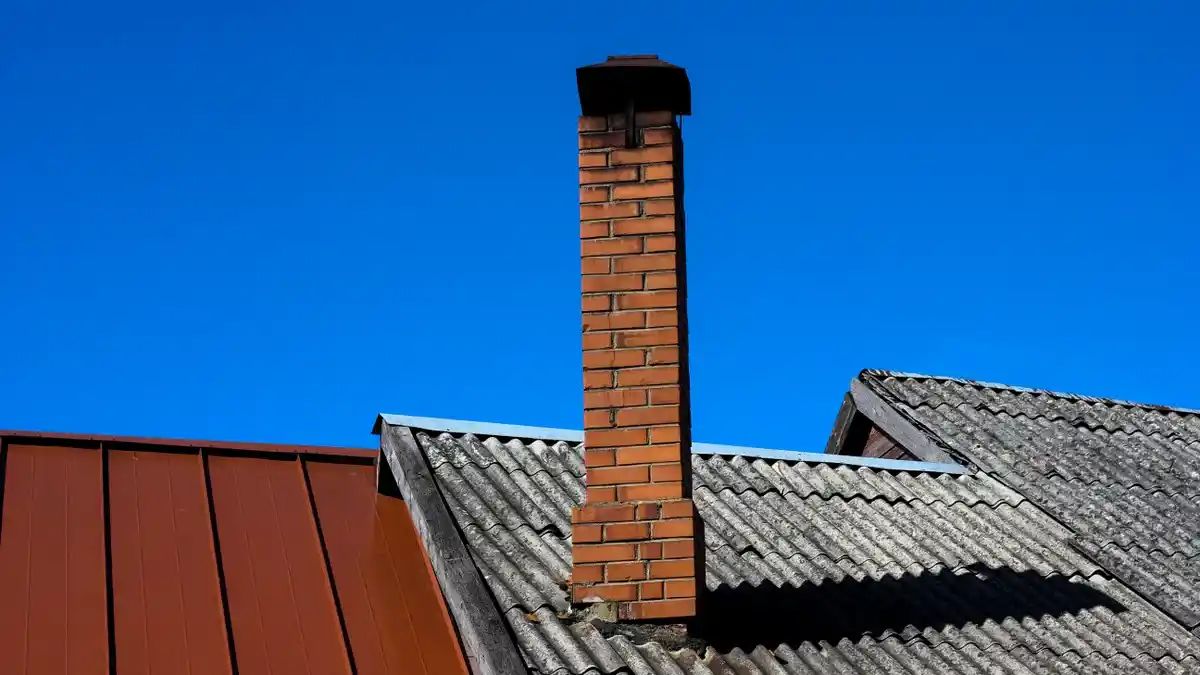
Here’s the catch: not every wood stove needs the heaviest option. A clean-burning stove with a short, warm flue can sometimes do fine with 304 stainless steel, as long as the venting setup fits the stove and the chimney conditions are mild.
The truth is, a liner choice is really a heat-and-corrosion decision. Creosote resistance is the make-or-break issue, not just the fact that the liner is metal.
Why 316L usually wins
- Better resistance to acidic flue gas than basic stainless grades.
- Better fit for the hotter, dirtier exhaust that wood can produce.
- Strong default choice if you do not want to gamble on a borderline setup.
When 304 can still fit
- The stove burns hot and clean.
- The chimney stays warm enough to reduce condensation.
- The run is simple and the appliance manual allows it.
A wood stove is not a gas furnace. That difference matters because wood smoke carries soot, tar, and moisture, and those three things punish a weak liner faster than most buyers expect.
Which stainless steel grade handles creosote best?
Picture this: you’re choosing between two stainless liners that both look shiny on paper, but one has to live with sticky creosote all winter while the other sits in a warm, dry chase. The better material is the one that tolerates the sticky one more gracefully.
That does not mean 304 is junk. It means 304 stainless is the lighter-duty option, and wood smoke can be rough on lighter-duty metals over time. If the stove is rarely run hot, if the flue cools quickly, or if the chimney draws poorly, the material choice starts to matter a lot more.
Watch these cues before you buy
- Heavy black buildup in the flue points toward a stronger stainless grade.
- A cold chimney favors better corrosion resistance and hotter flue temps.
- A stove that smolders for long periods makes creosote worse, not better.
NFPA 211 is the standard most pros look to for chimney and venting safety, and chimney liner listings commonly reference UL 1777. Those names matter because the label tells you the liner was made for chimney service, not just for generic metal tubing. UL 1777-listed liners are commonly tested for 2100°F conditions in certain chimney applications, which is one reason listing matters more than shiny metal alone.
Common mistake to avoid
A shiny liner is not the same thing as the right liner. Appearance means nothing if the alloy and listing do not match wood-stove use. The cost of that mistake is simple: faster corrosion, poorer draft, and a chimney that needs more cleaning.
Should a wood stove liner be insulated?
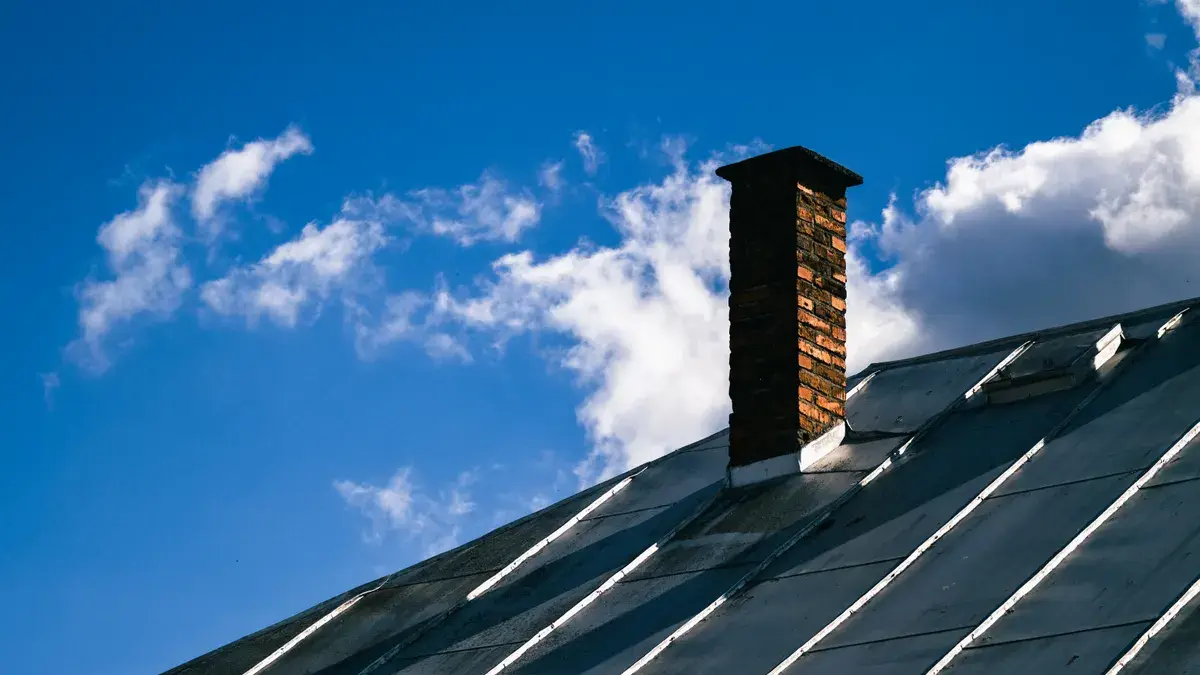
On the flip side, not every installation needs insulation. A short, warm interior run may draft well with an uninsulated stainless liner if the stove is properly matched to the flue and the chimney stays warm after startup.
Picture this: you’re standing in front of a stone chimney that lives on an outside wall, and the stove puffs smoke every time you light it. That is the kind of setup where an insulated liner often earns its keep.
Insulation helps most when:
- The chimney is on an exterior wall.
- The flue is oversized for the stove outlet.
- Startup smoke spills into the room.
- Creosote forms fast even when the stove is run properly.
Insulation matters less when:
- The chimney stays warm most of the year.
- The run is short and inside the heated envelope.
- The stove burns hot enough to keep exhaust moving.
This is where single-wall versus double-wall thinking comes in. Single-wall venting can lose heat faster, while double-wall or insulated arrangements help keep the exhaust hotter. The best choice depends on the stove manual and the whole venting path, not just the liner box on the shelf.
How do I choose the right liner material step by step?
- Check the stove manual first. Look for the venting requirements and the connector size the appliance expects, then match the liner to that setup.
- Inspect the chimney type and path. A warm interior chimney behaves differently from a cold exterior one, and a masonry flue behaves differently from a metal chase.
- Judge the creosote risk. If the stove smolders often, burns low, or has a history of soot buildup, lean toward 316L stainless steel and insulation.
- Decide whether heat retention matters. If the flue cools fast, an insulated liner can help the stove draft and reduce condensation.
- Confirm the listing. Look for a chimney liner that is listed for the job, not just stainless metal with no venting approval.
- Choose the least complicated material that still fits the risk. If conditions are mild, 304 stainless steel may be enough; if conditions are harsher, move up.
The result you want is simple: a liner that stays hot enough to move smoke and tough enough to survive wood smoke’s residue. That is the whole game.
What this step order prevents
- Buying a liner that is strong on paper but weak in the wrong chimney.
- Overpaying for insulation where the chimney is already warm.
- Underbuying and then fighting poor draft all season.
What gets wood stove liner choice wrong most often?
Picture this: you’re trying to save money, so you grab the lighter stainless option and skip the extra heat retention. The stove works for a while, then draft gets lazy and creosote starts building faster than you expected.
That is why the right question is not “Which metal is best?” It is “Which material fits this chimney’s heat loss and soot load?”
Three mistakes that cost people later
- Using 304 stainless where the chimney conditions are harsh. The cost is faster wear and more cleaning.
- Skipping insulation on a cold exterior flue. The cost is cooler exhaust and more creosote.
- Ignoring stove behavior. A stove that is regularly turned down low makes any liner work harder.
A homeowner who burns dry wood, runs hotter fires, and has a warm interior chimney may not need the most aggressive liner setup. A homeowner with a cold masonry chimney and a smoky startup routine usually does.
Practical trade-off
316L costs more in the long run than basic 304, but the extra corrosion resistance can be the smarter buy if the chimney is hard on liners. That trade-off is real. Cheap now can become expensive later.
Where single-wall versus double-wall matters in the decision
Picture this: you have a stove that runs fine once it is hot, but the first 10 to 15 minutes are smoky and sluggish. Heat loss on the way up the chimney is part of that story, and the liner can only do so much if the venting path strips warmth away too fast.
The useful rule is simple:
- Single-wall tends to shed more heat and can cool the flue sooner.
- Double-wall usually keeps flue gases warmer longer.
- Insulated liners help the whole system fight condensation and creosote.
That is why people often pair a wood stove with 316L stainless steel and insulation when the chimney is cold or oversized. The liner is not fixing a bad stove; it is helping the stove’s exhaust stay in the right temperature range.
What to check against the stove manual
- Allowed connector type.
- Minimum venting requirements in the manual.
- Any limits on liner size or material listing.
If the stove manual and the chimney conditions point in different directions, the manual wins. A liner that ignores the appliance listing is the wrong liner, even if it is expensive stainless steel.
Which option should a buyer skip?
Picture this: you’re buying for a house with a masonry chimney on an outside wall, and the stove will be used hard all winter. That is not the place to chase the cheapest stainless option.
Who should skip 304
- The owner of a cold exterior chimney.
- The person who burns low and slow most evenings.
- The buyer who has already fought creosote buildup.
Better fit instead: move to 316L stainless steel, and consider an insulated liner if draft is weak or the chimney chills fast.
Who should skip an insulated liner
- The owner of a short, warm, interior chimney with strong draft.
- The buyer whose stove manual already calls for a simpler venting setup.
- The person trying to solve a problem that is actually a stove operation issue.
Better fit instead: 316L stainless steel without extra insulation may be enough if the chimney stays warm and clean-burning.
For a broader materials view, the hub page on chimneylinerguide.com materials and product choice sits above this one. This page is the wood-stove filter: heat, creosote, and flue behavior first; everything else second.
Bottom line: for many wood stoves, choose 316L stainless steel, add insulation when the chimney runs cold, and only step down to 304 when the stove and flue conditions are genuinely mild.
Drafted with AI; not yet reviewed by a person.

Related Posts
Stainless Steel vs Clay vs Aluminum Chimney Liners
Chimney Liner Materials and Product Choice