
How to Clean a Chimney Liner
Last updated: November 14, 2026
Key Takeaways
- Match the brush to the liner, and keep the work area contained.
- Brush the full flue, then vacuum the loosened soot and clear the cleanout.
- Use a brush that fits the liner material and shape, not a random hardware-store wire brush.
- Loose creosote can be brushed off; hard glazed creosote often needs a chimney sweep.
A dirty chimney liner can clog with creosote, soot, and debris, and the right cleaning method depends on the liner type and how you reach it. How to clean a chimney liner starts with the correct chimney brush, the right access path, and full safety gear. In most cases, you clean it by brushing the flue, collecting the loosened soot, and clearing the cleanout afterward. The steps below settle brush choice, access, and when a chimney sweep makes more sense.
What you need before you start

Before you begin how to clean a chimney liner, picture this: you’re standing in front of a cold fireplace with a flashlight, a brush, and a mess you do not want to make worse. You want the liner clean, not the room coated in black dust, and the right setup matters more than brute force.
You’ll need a chimney brush, extension rods, a drop cloth, a vacuum with a fine dust filter, eye protection, gloves, and a dust mask or respirator. If your liner is stainless steel, clay tile, or a cast-in-place flue, the brush must match the liner so you do not chew up the surface. That choice is the first real fork in the road.
- Brush type matched to liner
- Extension rods for the flue length
- Drop cloths and painter’s tape
- Shop vacuum with fine dust filter
- Flashlight and mirror for the cleanout
The truth is, a chimney liner is not cleaned like a kitchen pipe. Soot is loose; creosote can be sticky, hard, or glazed, and the harder forms often need a chimney sweep rather than a light brush-through. If you can reach the liner from a cleanout, the job is cleaner and easier. If you cannot, top-down access from the roof is the usual route.
One more thing: if the firebox, damper, or cleanout is packed with loose ash, clear that first. A clogged work area turns a simple sweep into a dust job. A 15-minute prep phase can save an hour of cleanup.
How do you clean a chimney liner?
You clean a chimney liner by brushing the full flue, collecting the loosened soot, and clearing the cleanout afterward. That is the core job. The method changes with the liner and access point, but the order stays the same: prepare, brush, collect, inspect, then clean up.
- Cover the hearth area with a drop cloth and protect nearby openings so soot stays contained. This keeps soot from drifting into the room.
- Check the access path at the cleanout or roof opening. Choose the route that gives you the straightest line through the flue.
- Attach the correct chimney brush to the first extension rod. Match the brush to the liner material before you start.
- Push the brush through the flue in short strokes. Work from one end of the liner to the other until the brush moves freely.
- Twist the rods as you pull them back. This helps knock loose soot and creosote off the liner walls.
- Vacuum the loose debris from the firebox, cleanout, and base of the chimney. Use a fine dust filter so ash does not blow back out.
- Repeat the brushing pass if black flakes or tar still come down. A clean liner should shed less debris on the second pass.
- Dispose of the waste in a lidded container after it cools. Soot and creosote debris can stay messy long after the brush is put away.
Most of the mess comes from rushing the pull-back, so slow, steady strokes beat hard jabs. If the brush catches, stop and reassess the liner shape, elbow, or offset before forcing it.
A 90-minute cleanup is common on a straightforward run, but a long flue or tight offset takes longer. If you hit heavy, shiny creosote, stop. That is not normal dust, and brushing it hard can leave behind more than you started with.
Which brush should you use for a chimney liner?
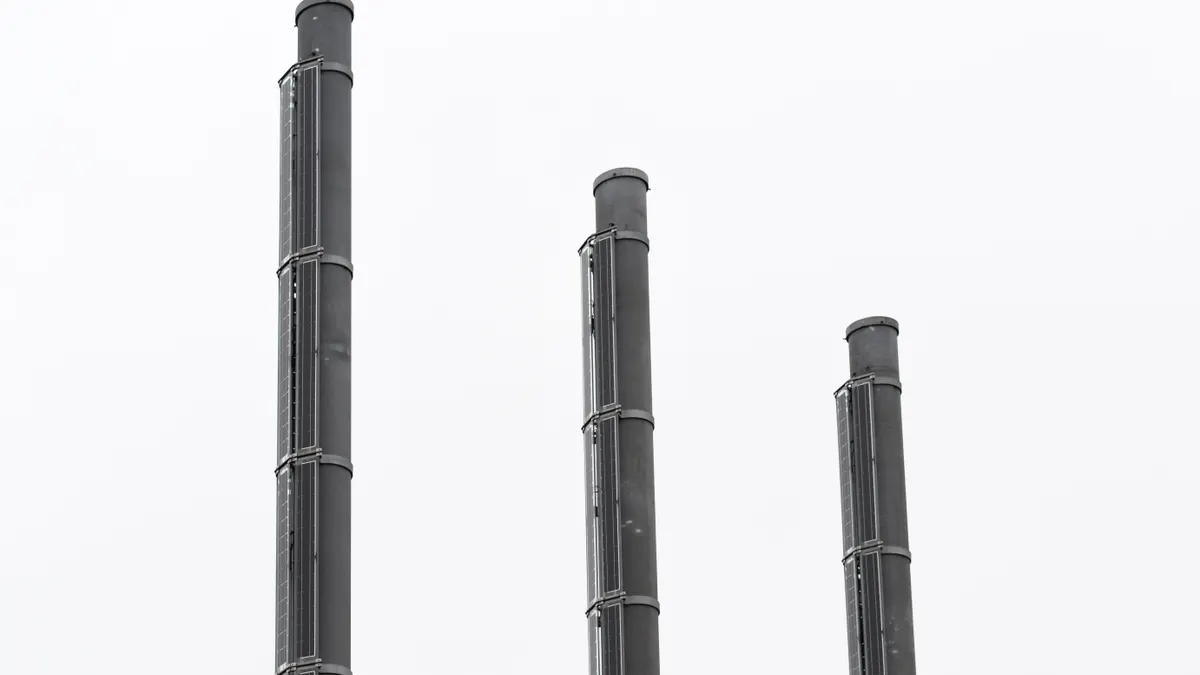
You should use a brush sized and shaped for the liner material, not a random wire brush from the hardware shelf. The wrong brush can scratch stainless steel, chip clay tile, or leave stubborn residue behind.
For stainless steel liner systems, the safe default is a brush made for stainless or a poly brush if the liner maker allows it. For clay tile, a brush that can handle masonry is usually the better fit. For a round flue, choose a round brush; for a rectangular or oval path, match the shape as closely as you can. For guidance, check the liner maker’s instructions and the National Fire Protection Association’s safety standards before choosing a brush. NFPA 211 and CSIA are useful starting points.
Here’s the catch: wire can be too aggressive for some stainless systems, while soft nylon may not cut through heavier creosote. That trade-off matters. A brush that is too soft wastes time. A brush that is too harsh can damage the liner surface.
- Poly brush: gentler on many liners, better where abrasion is a concern
- Wire brush: stronger on built-up soot, but rough on some materials; check the liner maker or a chimney professional first
- Sized brush: should fit the liner closely without jamming
- Shape-matched brush: round, square, or rectangular to suit the flue
If the liner has bends, use extension rods that lock securely. Cheap rods that slip apart in a flue are a headache and a safety risk. A 10-foot straight run is one thing; a system with offsets needs tighter control and slower movement.
How do you handle creosote without damaging the liner?
You remove loose creosote with brushing, but hard glazed creosote usually needs a chimney sweep. That is the line a lot of people miss, and it leads to a lot of damage from over-brushing.
Loose, flaky creosote behaves like black dust. Brushing and vacuuming will clear it. Sticky creosote smears. Hard creosote can feel like a dark shell on the liner walls. If the brush skips over it instead of cutting through it, that buildup is beyond a light maintenance clean.
A chemical creosote remover may be sold for maintenance, but it is not a cure for a blocked or heavily glazed flue. If the liner is heavily coated, a professional cleaning is the safer move because the job can turn into a fire-risk issue fast. The right tool is the one that clears the liner without cracking tile or grinding stainless. For safety guidance, see NFPA 211 and CSIA.
Signs you’re at the limit:
- Glossy, tar-like deposits on the liner wall
- Heavy chunks that do not fall with brushing
- A strong smoky smell after a normal fire
- Narrowed flue opening you can see with a flashlight
If you find those conditions, stop the DIY pass. A chimney sweep has the tools for severe buildup, and a liner with that level of residue often deserves a full service rather than another aggressive brush session. A rushed clean can leave loose debris in place and miss the real obstruction.
How often should you clean a chimney liner?
You should clean a chimney liner often enough to keep soot and creosote from building up between heating seasons. The right schedule depends on how often you burn, what you burn, and how the chimney vents.
A wood-burning fireplace used through a cold season usually needs closer attention than a gas appliance. Wet wood, low fires, and frequent smoldering all make creosote form faster. Hot, clean-burning fires leave less residue, but they do not leave the liner spotless.
A practical rhythm is to check the liner after a stretch of regular use and clean it when soot starts to collect or airflow drops. That may mean once a season for a heavily used wood system, or less often for a lighter-use flue. The 1/8-inch soot rule is often used as a maintenance trigger, but if you are unsure what you are seeing, go by buildup and draft, not guesswork. NFPA 211 is a common reference for inspection and maintenance timing.
- More use means more cleaning
- Smoldering fires mean faster creosote buildup
- Better draft usually means less residue
- Seasonal use still needs a check before cold weather
The truth is, a liner that looks “fine” from the hearth can still hide buildup higher up. A 12-month gap between cleanings can be too long for some wood-burning systems and fine for others. The deciding factor is the fuel and the amount of use, not the calendar alone. NFPA 211 and the EPA Burn Wise guidance both stress cleaner burning and regular maintenance.
How do you clean from the cleanout or from the top?
You clean from the cleanout if the liner is set up for it; otherwise, you clean from the top down. The best access path is the one that lets the brush run the full length of the flue with the least bending and the least mess.
A cleanout door at the base of the chimney can make the job much easier. You can sweep debris downward and vacuum from below, which keeps soot from spreading into the room. If there is no useful cleanout, roof access is common. That means stable footing, secure ladder placement, and a careful drop path for the rods; if the roof is steep, wet, or iced, a chimney professional is the safer choice.
Top-down cleaning can clear the whole liner in a cleaner pass when the roof opening is direct. The downside is the mess goes down through the fireplace, so the room needs better protection. Cleanout access keeps the dirt low, but a tight or blocked cleanout makes the job harder than it should be.
Use this split:
- Cleanout access: best when you can reach the base easily and the liner is straight
- Top-down access: best when the roof opening is easy to reach and the liner has a direct path
- Tight offsets: often need slower brushing and more rod control
- Blocked cleanout: may need professional help before brushing starts
A stable ladder and roof-safe footing are not optional if you go from the top. If the roof is steep, wet, or iced, stop there. The chimney liner can wait. A fall will not.
Common mistakes that make the job worse
You make the job worse by using the wrong brush, skipping containment, or forcing the rod through resistance. Those mistakes cost time, create more soot in the house, and can damage the liner itself.
The most common error is brushing with a tool that does not fit the liner. Too small, and it misses buildup. Too large, and it jams or wears the liner badly. Another common mistake is cleaning a warm chimney. A cold flue is much easier to handle, and it keeps ash from lifting into the air.
Here are the mistakes that cause the most trouble:
- Wrong brush material: can scratch stainless or fail on heavy buildup
- No drop cloths: turns a maintenance job into a room cleanup
- Forcing stuck rods: can bend the rod or damage the liner
- Skipping the cleanout: leaves debris at the bottom of the system
- Ignoring heavy creosote: can hide a bigger safety problem
A better approach is slower and cleaner. Set the room first, use the right brush, and stop when the liner fights back. If the flue has a sharp offset or the buildup is hard and shiny, the DIY method has reached its limit.
When should you stop and call a chimney sweep?
You should stop and call a chimney sweep when the liner has heavy glazed creosote, a blocked path, or a shape that makes brushing unsafe. That is the honest cutoff point.
A sweep is the better fit if the liner has tight bends, long offsets, or deposits that the brush barely touches. It is also the better fit if the firebox fills with debris before you finish, because that often means the system needs a more thorough cleaning than a basic maintenance pass. A professional sweep can also handle stubborn buildup without turning a cleaning job into a damage repair.
Use this rule of thumb:
- Light soot and loose flakes: DIY cleaning is reasonable
- Stiff, shiny, tar-like deposits: stop and get help
- Unsafe roof access: stop and get help
- Unclear liner type: stop and get help
The best answer is not always “do it yourself.” Sometimes it is “finish the prep, then hand it off.” That is especially true for a liner that has not been cleaned in a long time or one tied to a wood stove that runs hard through winter. The guide to maintenance, repair, and safety on chimneylinerguide.com covers the related upkeep topics; this page stays with cleaning.
How do you clean a chimney liner?
You clean a chimney liner by matching the brush to the liner, brushing the flue from the right access point, and vacuuming the loosened soot and creosote from the cleanout. The job works best on a cold chimney with full safety gear and good containment.
If the buildup is light, a standard brush-and-vacuum pass may be enough. If the deposits are hard, shiny, or packed tight, the better move is to stop and call a chimney sweep. Forcing the issue can damage the liner.
How often should a chimney liner be cleaned?
A chimney liner should be cleaned often enough to keep soot and creosote from building up between uses. Heavy wood-burning use usually needs closer attention than gas or light seasonal use.
The real schedule depends on fuel, burn style, and how the chimney drafts. If you see visible buildup, smell smoke after normal use, or notice weaker draft, it is time to clean sooner rather than later.
What brush do I use for a chimney liner?
You use a brush that matches the liner’s shape and material. Stainless steel, clay tile, and cast-in-place liners do not all take the same brush well.
A round brush suits a round flue, while a shape-matched brush works better on non-round liners. For many systems, poly is gentler and wire is stronger, but the right choice depends on the buildup and the liner material.
Drafted with AI; not yet reviewed by a person.

Related Posts
What causes a chimney liner to fail
Chimney Liner Safety Rules You Should Know
2 thoughts on “How to Clean a Chimney Liner”